
Why Alkaline Drinking Water Has Everyone Talking
Alkaline drinking water has exploded in popularity, with post-pandemic sales expected to top $1.3 billion in 2023. You’ve probably seen it in grocery stores, gyms, and vending machines—often priced higher than regular bottled water. But what exactly is it, and should you be drinking it?
Quick Answer: What You Need to Know About Alkaline Drinking Water
- What it is: Water with a pH of 8-9 (versus regular water’s pH of 7), containing minerals like calcium, magnesium, and potassium
- How it’s made: Either naturally (by passing over rocks and absorbing minerals) or artificially (through ionization or filtration)
- Claimed benefits: Better hydration, acid reflux relief, improved bone health, anti-aging effects
- What science says: Limited evidence supports some benefits (acid reflux, hydration after exercise), but most health claims lack robust research
- The reality: Your body naturally regulates pH levels between 7.35-7.45—drinking alkaline water won’t significantly change that
- Bottom line: For most people, plain water hydrates just as effectively and costs less
The bottled water industry has grown every year since 1977, now generating over $20 billion annually. Alkaline water represents one of the fastest-growing segments, driven by celebrity endorsements and bold marketing claims about detoxification, disease prevention, and longevity.
But here’s what matters for your facility: Your employees and guests want convenient access to quality hydration. Whether that’s alkaline water or regular filtered water depends less on dramatic health claims and more on understanding what the science actually supports.
Your body is remarkably good at maintaining its own pH balance through your kidneys and lungs. Even when you drink alkaline water, your stomach immediately produces acid to counteract it. The question isn’t whether alkaline water is a miracle beverage—it’s whether it offers any real advantages for your workplace.
Understanding Alkaline Water: pH, Production, and Types
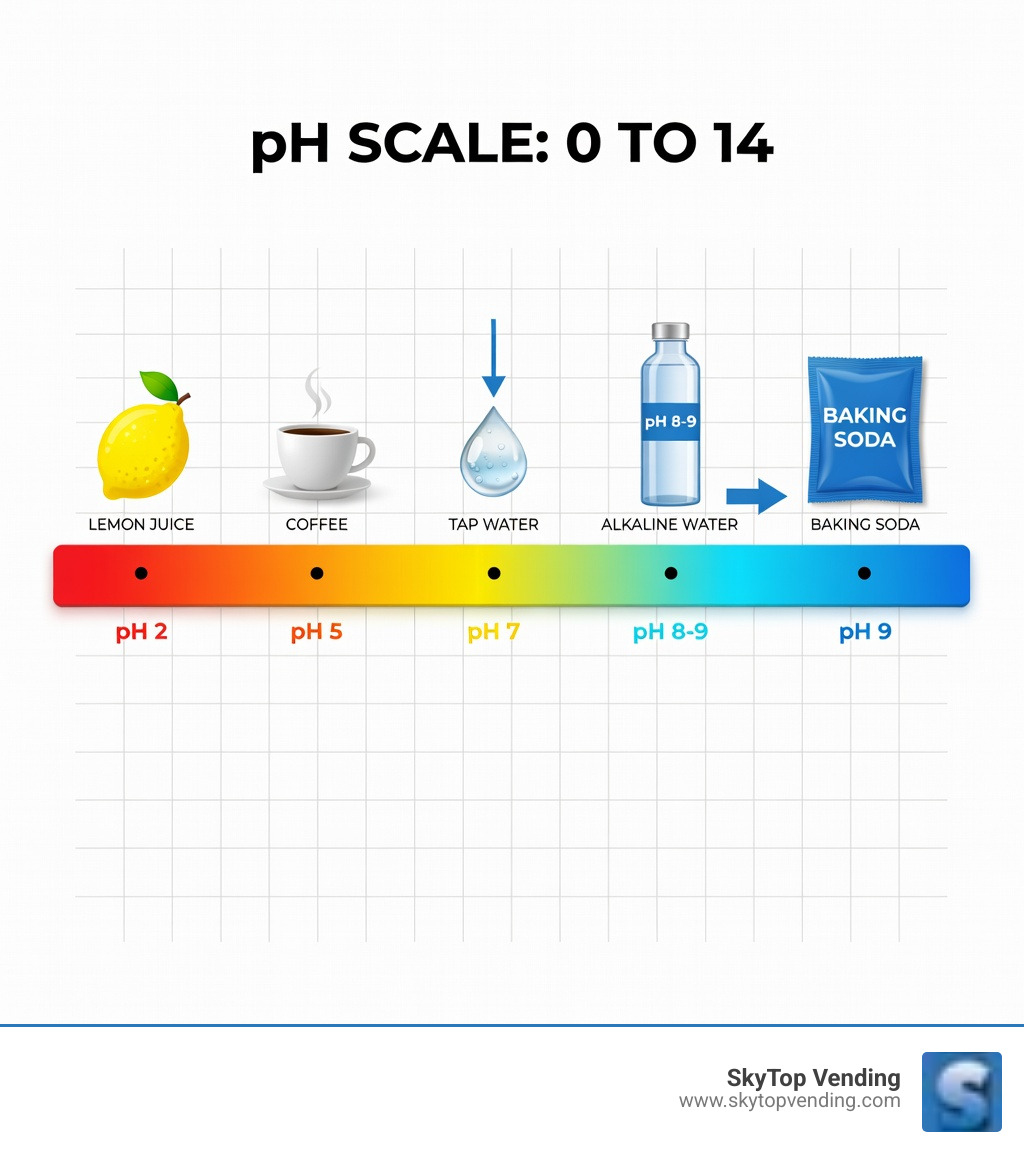
To understand alkaline drinking water, we first have to look at the pH scale. The pH scale measures how acidic or basic (alkaline) a substance is, ranging from 0 to 14.
- pH 0–6: Acidic (think lemon juice or battery acid)
- pH 7: Neutral (pure, distilled water)
- pH 8–14: Alkaline or Basic (baking soda, bleach, and alkaline drinking water)
Regular drinking water generally has a neutral pH of 7. In contrast, alkaline drinking water typically has a pH of 8 or 9. However, pH isn’t the only factor. For water to be truly “alkaline” in a way that proponents claim is beneficial, it must also contain alkaline minerals and a negative oxidation-reduction potential (ORP), which refers to the water’s ability to act as an antioxidant.
How Alkaline Water is Produced
There are two primary ways that water becomes alkaline: naturally and artificially.
- Natural Mineral Absorption: This happens when water flows over rocks—such as in a mountain spring—and picks up minerals like calcium, magnesium, and potassium. These minerals naturally raise the water’s pH.
- Filtration and Mineral Improvement: This is a more controlled process often used in high-end office water systems. Water is purified first (often through reverse osmosis) to remove contaminants and then “remineralized” with essential minerals to achieve an optimal pH.
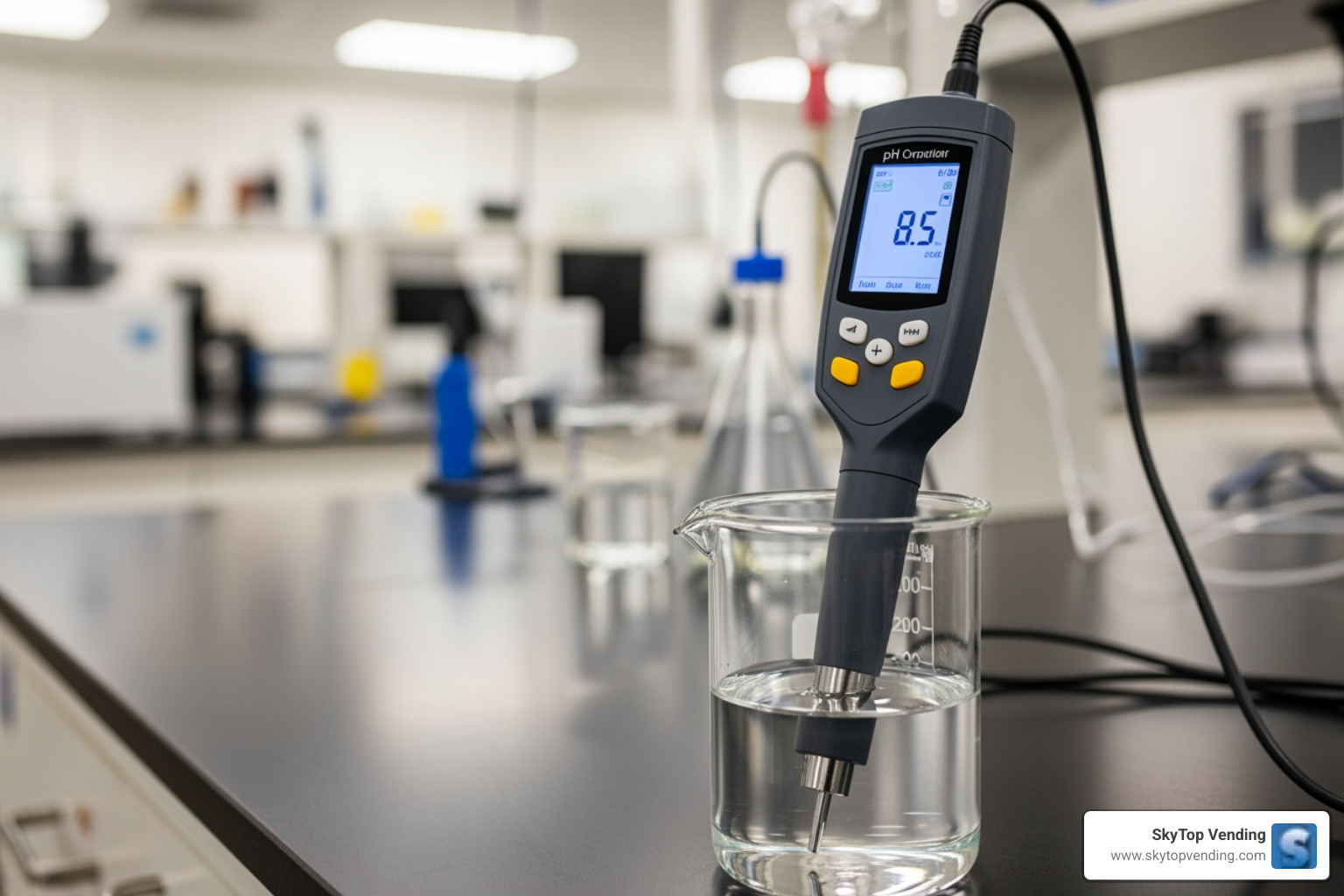
- Ionization (Electrolysis): This is an artificial chemical process. An ionizer uses electricity to separate the acidic and alkaline molecules in the water. The acidic water is siphoned off, leaving the alkaline water for drinking.
At SkyTop Vending, our approach to water service in the Las Vegas Valley focuses on safety and high-quality filtration. We believe that the best water for your breakroom is water that has been thoroughly purified to remove the “bad stuff” (like chlorine and heavy metals) and then improved with minerals for a clean, crisp taste.
How Does It Compare to Regular Water?
Is there a massive difference between the tap water in the Las Vegas Valley and the bottled alkaline water you see on shelves? Let’s look at the numbers.
| Feature | Tap Water | Regular Bottled Water | Alkaline Drinking Water |
|---|---|---|---|
| pH Level | Typically 6.5–8.5 (EPA standard) | Usually 7.0 (Neutral) | Typically 8.0–9.5 |
| Mineral Content | Varies by municipality | Low to Moderate | High (Calcium, Magnesium, etc.) |
| Production | Municipal treatment | Filtration/Purification | Natural Springs or Ionization |
| Cost | Very Low | Moderate | High |
While the US EPA recommends that town water pH range between 6.5 and 8.5, the average tap water often sits right around 7.5. Alkaline drinking water is significantly more basic, but it also comes with a higher price tag.
The Science Behind Alkaline Drinking Water Health Claims
The marketing for alkaline drinking water is filled with big promises. Some influencers claim it can “detoxify” your blood, prevent cancer, or even stop the aging process in its tracks. But before we get carried away, we need to look at how the human body actually works.
Your body is a finely tuned machine. It doesn’t rely on what you drink to keep its pH in balance. Your kidneys and lungs work hard 24/7 to ensure that your blood pH levels stay in a very strict range between 7.35 and 7.45. This is called homeostasis. If your blood pH moved even slightly outside of this range, it would be a life-threatening medical emergency.
As the experts at Harvard Health point out in their article, Is alkaline water better for you?, there is very little evidence that drinking alkaline water has a significant impact on your body’s internal pH or overall health for the average person.
Potential Benefits of Alkaline Drinking Water Supported by Research
While it might not be a “miracle cure,” there are a few specific areas where scientific research suggests alkaline drinking water might actually help:
- Acid Reflux Relief: A 20-year-old test tube study found that alkaline water with a pH of 8.8—a level common in most commercial brands—permanently neutralized pepsin. Pepsin is the stomach enzyme responsible for the burning sensation of acid reflux. By neutralizing it, alkaline water may provide more relief than regular water for those struggling with heartburn.
- Bone Health: Some research suggests that an alkaline environment may slow bone loss. In a 2021 study, researchers compared postmenopausal people with osteoporosis. One group received standard supplements plus about six cups of alkaline water daily. After three months, the alkaline water group saw significantly more improvement in spinal bone density than the control group.
- Improved Hydration: One study of 100 healthy adults found that alkaline drinking water was twice as hydrating as regular water after a strenuous workout. This is likely due to the increased mineral and electrolyte content, which helps the body absorb fluid more efficiently.
Debunking the Myths: What the Evidence Doesn’t Support
Despite the booming sales, many of the most popular claims about alkaline drinking water simply aren’t backed by science.
For instance, there is no robust evidence that alkaline water prevents or cures cancer. As noted in the Mayo Clinic Q&A on alkaline water, the idea that modern diets make our bodies “too acidic” is largely a marketing myth. Your body manages its acidity levels perfectly fine on its own.
Similarly, claims about “anti-aging” or “skin detoxification” are mostly anecdotal. If people feel better after switching to alkaline water, it’s often because they are simply drinking more water than they used to. Staying hydrated—regardless of the pH—is the real secret to better energy and clearer skin.
Potential Risks and Who Should Be Cautious
For most healthy people, drinking alkaline drinking water is perfectly safe. However, “more” isn’t always “better.” Drinking too much highly alkaline water can lead to a condition called metabolic alkalosis.
Alkalosis occurs when your body’s pH becomes too basic. This can lead to unpleasant symptoms, including:
- Nausea and vomiting
- Hand tremors or muscle twitching
- Confusion or lightheadedness
- Tingling in the extremities
Furthermore, your stomach needs acid to do its job. Stomach acid (which has a very low pH of 1.5 to 3.5) is essential for breaking down food and killing off harmful bacteria. If you constantly flood your stomach with high-pH water, you might interfere with your digestion and your body’s ability to absorb nutrients.
Specific Health Considerations and Side Effects
There are certain groups of people who should be especially cautious with alkaline drinking water:
- Kidney Disease: If you have chronic kidney disease, your body may struggle to manage the extra minerals (like potassium and magnesium) found in alkaline water.
- Hyperkalemia Risk: There is a greater chance of developing hyperkalemia (dangerously high potassium levels) if the pH of the water you drink regularly is greater than 9.8. This is particularly true for those with impaired kidney function.
- Medication Interference: People taking Proton Pump Inhibitors (PPIs) for acid reflux should talk to their doctor before drinking strong alkaline water. Since PPIs already reduce stomach acid, adding highly alkaline water could push the body’s chemistry too far in the other direction.
Frequently Asked Questions about Alkaline Water
Can alkaline water change my body’s pH?
No. Your body has a very sophisticated built-in system to keep your pH stable. Your lungs exhale carbon dioxide (an acid) and your kidneys flush out excess acids or bases through your urine. Even if you drink a gallon of pH 9 water, your stomach acid will neutralize it almost immediately, and your kidneys will work to keep your blood pH within that safe 7.35–7.45 range.
Is it worth the extra cost?
For the average person in Las Vegas looking to stay hydrated at work, plain filtered water is just as effective and much more affordable. While the alkaline water market is expected to hit $1.3 billion this year, much of that is driven by taste preference and marketing. If you love the taste and it helps you drink more water, it might be worth it to you—but it’s certainly not a medical necessity.
How much alkaline drinking water is safe to drink daily?
There is no official government guideline on how much is too much. However, moderation is key. Most experts suggest that if you choose to drink it, you should do so in balance with regular water and a healthy diet. If you have pre-existing health conditions, especially regarding your kidneys, always consult a doctor first.
The Verdict: Is Alkaline Water Right for You?
So, what’s the final word? Alkaline drinking water isn’t the “miracle cure” that some social media influencers claim it to be. It won’t magically prevent aging or cure chronic diseases. However, it can be a helpful tool for those dealing with acid reflux, and it may offer a slight hydration boost for athletes after an intense workout.
The most important thing for your health—and the productivity of your team—is staying hydrated with clean, safe, and great-tasting water. Whether you prefer the mineral-rich taste of alkaline water or the crisp purity of reverse osmosis filtration, the goal is to keep drinking.
At SkyTop Vending, we’ve been providing the Las Vegas Valley with premium breakroom solutions since 1977. We understand that every office has different needs, which is why we offer a variety of water services tailored to your preferences. With our 99.4% client retention rate, we take pride in delivering “Service the way YOU like it.”
Ready to upgrade your office hydration? Learn more about our Water & Ice Service and let us help you find the perfect solution for your team.